Everest Base Camp vs Annapurna Base Camp: Which Trek Is Better?
Everest Base Camp and Annapurna Base Camp are two of Nepal’s most popular trekking goals, but they offer different experiences. Both deliver Himalayan scenery, village hospitality, and a meaningful physical challenge. The better choice depends on your available time, preferred landscapes, altitude tolerance, budget, transport preferences, and appetite for busy trails.
The simplest comparison
Choose Everest Base Camp if seeing the Everest region, experiencing Sherpa culture, and following a longer high-altitude journey are central to your dream. Choose Annapurna Base Camp if you want a more compact trek with varied forests, villages, waterfalls, and a dramatic mountain sanctuary. Neither is universally better.
Landscape and scenery
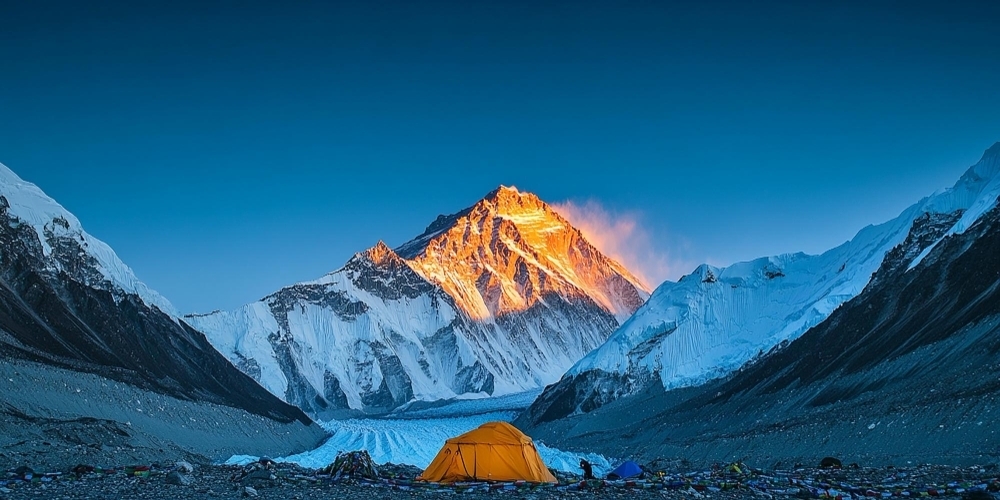
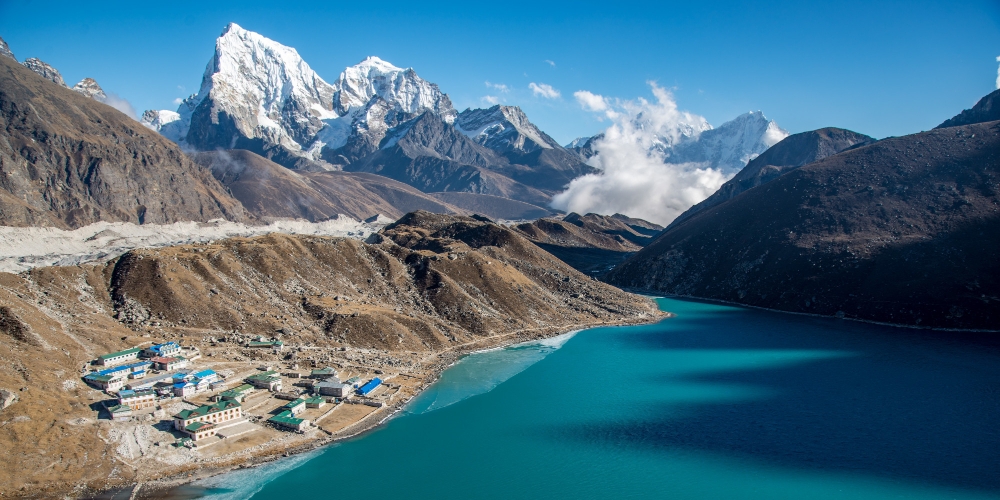
The Everest route is characterized by broad high valleys, suspension bridges, glacial terrain, and views of peaks such as Everest, Lhotse, Nuptse, and Ama Dablam. The landscape becomes increasingly alpine as the route climbs.
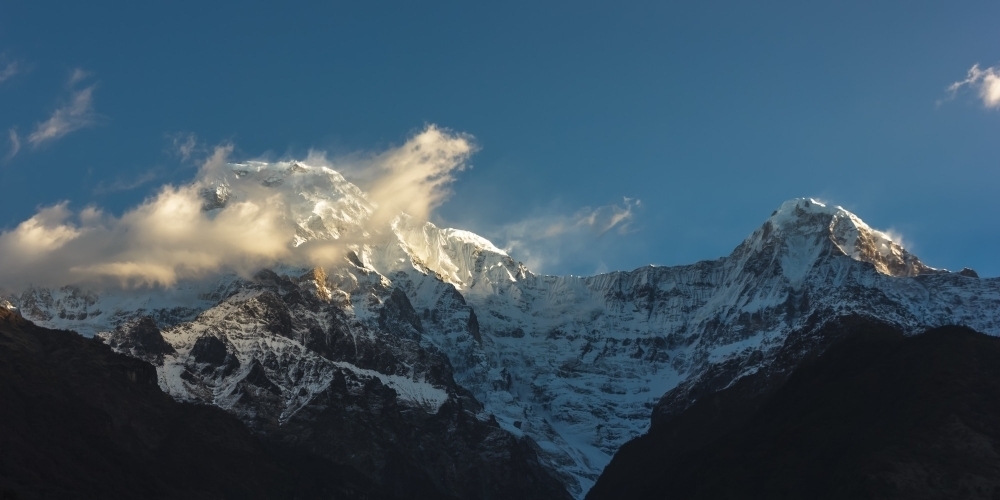
The Annapurna Base Camp route moves rapidly through different ecological zones. Trekkers pass terraced farmland, bamboo and rhododendron forests, deep valleys, and villages before entering the Annapurna Sanctuary, where high peaks surround the trail.
Altitude comparison
Everest Base Camp reaches a higher elevation and generally involves more nights at very high altitude. Kala Patthar, often visited for views, is higher still. Annapurna Base Camp is also a serious high-altitude destination, but its maximum sleeping elevation is lower than that of the Everest route.
Lower maximum altitude does not mean zero risk. Both treks require gradual pacing, symptom awareness, adequate hydration and nutrition, and an itinerary designed for acclimatization.
Duration
Everest Base Camp usually requires more trekking days, particularly when appropriate acclimatization and transport buffers are included. Annapurna Base Camp can fit into a shorter holiday, although extensions through Ghorepani, Ghandruk, or nearby routes can make it longer.
Travelers should compare full door-to-door itineraries, not only the number of walking days. International arrivals, domestic connections, rest days, and contingency time all matter.
Access and transport
The classic Everest journey often begins with a flight to Lukla, making weather and flight schedules an important part of planning. Alternative road approaches exist but change the duration and character of the trip.
Annapurna Base Camp is commonly accessed by road from Pokhara. This can reduce dependence on mountain flights, though road conditions, traffic, and seasonal disruption still affect travel.
Trail difficulty
Both treks involve repeated climbing and descending on stone steps, uneven paths, and long days. Everest Base Camp adds the challenge of greater altitude and often colder, more exposed terrain. Annapurna includes steep staircases and substantial daily elevation changes.
Fitness assessments should consider duration, altitude, recovery, and consecutive days rather than a simple easy-to-hard label. Training with hills and stairs is useful for either route.
Culture
Everest Base Camp passes through the homeland of the Sherpa people, with monasteries, mani walls, prayer flags, and settlements shaped by high-altitude trade and mountaineering.
The Annapurna region includes Gurung and Magar communities alongside a mix of other cultures. Village architecture, farming landscapes, and everyday rural life are prominent along many approaches.
Accommodation and food
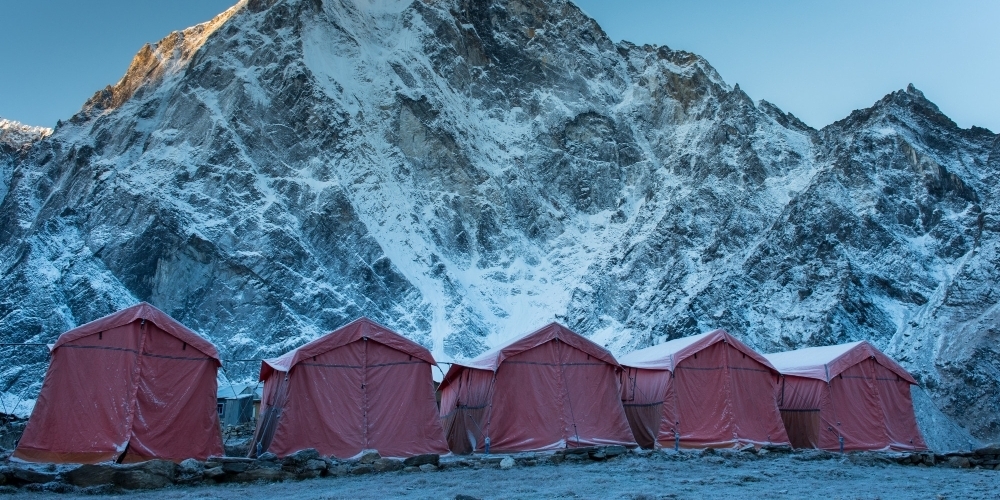
Both routes use teahouses with rooms, meals, and communal spaces. Facilities vary by location and season. The Everest corridor has extensive trekking infrastructure, but prices rise as supplies move higher. Annapurna also has a well-developed lodge network, with options differing across itinerary variants.
Expect simple rooms, variable bathroom facilities, and menus featuring dal bhat, noodles, soups, potatoes, pasta, eggs, and hot drinks. Carry a suitable sleeping bag even when blankets are provided.
Crowds
Both routes can be busy in peak spring and autumn periods. Everest concentrates travelers along the main Khumbu corridor. Annapurna traffic varies by approach and can feel crowded around popular villages and the sanctuary trail.
Traveling in a shoulder period, starting early, selecting a thoughtful itinerary, and using lesser-known approach sections can change the experience. Do not compromise weather suitability merely to avoid other trekkers.
Cost factors
Everest Base Camp often costs more because of longer duration, flights, higher food and lodging costs, and complex logistics. Annapurna Base Camp may be less expensive, especially on shorter itineraries accessed by road.
Package comparisons should include permits, domestic transport, guide and porter services, lodging, meals, equipment, insurance, tips, and contingency expenses. The cheapest headline price may not provide the best value.
Best season
Spring and autumn are popular for both. Spring offers warmer conditions and flowering forests, especially in Annapurna. Autumn is known for clear views and stable weather. Winter is colder and may bring snow, while the summer monsoon makes trails wetter and transport less predictable.
Photography
Everest appeals to travelers seeking iconic high-mountain scenes, Sherpa settlements, and the visual drama of Ama Dablam and the Khumbu. Annapurna offers greater landscape variety within a compact route, including forests, terraces, rivers, and the sanctuary amphitheater.
Which is better for a first trek?
Annapurna Base Camp may suit travelers with less time or concern about the higher elevations of Everest. Everest Base Camp may suit a well-prepared first-time Himalayan trekker who can commit to a gradual itinerary and wants the complete Khumbu experience. Shorter routes such as Poon Hill, Ghandruk, or Everest Panorama are alternatives for people who want a gentler introduction.
Can you do both?
Yes, but not usually in one short visit. Completing one trek first provides useful insight into how your body responds to altitude and consecutive trekking days. A future trip can then explore the other region with better preparation.
Decision checklist
Choose Everest Base Camp if Everest is the main goal, you can allow more time, you accept flight uncertainty, and you are comfortable with higher altitude. Choose Annapurna Base Camp if you want varied scenery, road access through Pokhara, a potentially shorter schedule, and a slightly lower maximum elevation.
Final recommendation
The best trek is the one you can complete safely and enjoy without rushing. Compare daily walking hours, sleeping altitudes, acclimatization, transport buffers, inclusions, and seasonal conditions. Speak honestly about fitness, medical concerns, comfort expectations, and available days.
World Himalaya can compare current Everest Base Camp and Annapurna Base Camp itineraries and tailor the pacing and services to your travel dates. Confirm current permits, access, weather, and operating details before departure.