Annapurna Circuit Trek Guide: Thorong La, Route Options and Preparation
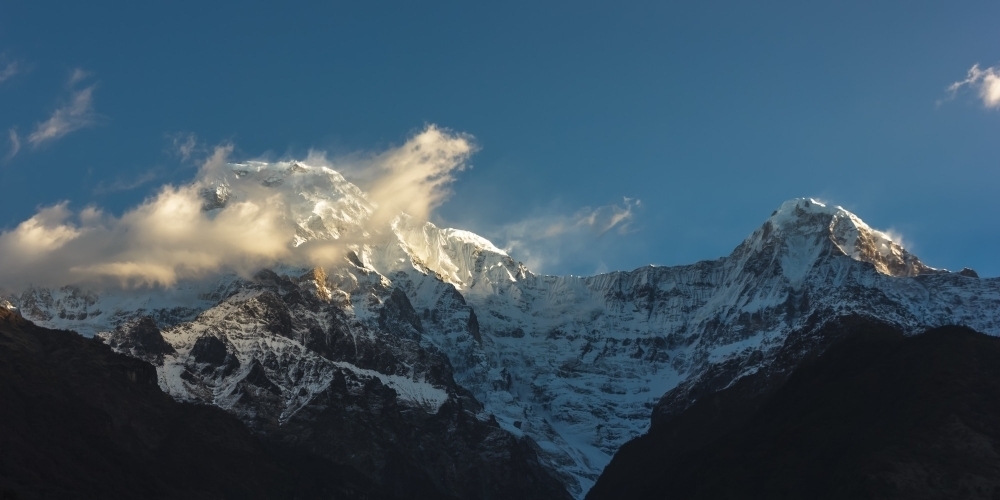
The Annapurna Circuit is celebrated for its variety. It moves from warm valleys and terraced farmland through forest, dry high-altitude landscapes, villages influenced by Tibetan culture, and the crossing of Thorong La. Modern roads have changed portions of the classic route, but thoughtful itinerary design can still deliver an exceptional trek.
What is the Annapurna Circuit?
Rather than a single fixed itinerary, the circuit is a network of stages around the Annapurna massif. Starting and finishing points vary. Some travelers complete a shorter high section, while others include lower valleys, side trips, Tilicho Lake, or areas beyond the pass.
Thorong La
Thorong La is the route’s key high crossing. The day is long, cold, and physically demanding, often beginning before sunrise. Snow, wind, and acclimatization affect whether crossing is safe. A pass should never be treated as guaranteed; guides may delay, turn back, or alter plans.
Difficulty
The circuit is challenging because of altitude, consecutive walking days, steep terrain, temperature change, and the pass. Trail quality ranges from stone paths to dirt roads and high alpine tracks. Technical climbing is not normally required, but endurance and preparation are essential.
Roads and alternative trails
Road construction has reached many settlements. Alternative footpaths marked as natural trails can reduce road walking, though conditions and signage change. Ask which sections an itinerary uses instead of assuming every package follows the historic alignment.
Acclimatization
Sleeping elevations rise significantly in the upper Marsyangdi valley. Good plans use gradual stages and acclimatization time before Thorong La. Tilicho Lake can be an attractive side trip but adds altitude and difficulty; it is not automatically an acclimatization shortcut.
Best season
Spring and autumn are the main trekking seasons. Spring can bring warmer days and flowers in lower forests. Autumn is known for clear mountain views. Winter snow may close the pass, while monsoon rain affects lower sections and transport. The northern side lies partly in a rain shadow, but access still crosses wetter areas.
Accommodation
Teahouses are widespread along the main route. Standards vary from comfortable lower-valley lodges to basic high-altitude rooms. Carry a suitable sleeping bag and enough cash. Charging, Wi-Fi, showers, and heated dining spaces may cost extra.
Food and water
Dal bhat, noodles, soup, potatoes, pasta, eggs, and local dishes are common. Eat enough despite reduced appetite. Treat drinking water through an appropriate method and avoid creating unnecessary plastic waste.
Training and packing
Train with hills, stairs, and long walks on consecutive days. Use broken-in footwear and trekking poles. Pack base layers, insulation, waterproof shells, warm gloves, a hat, sun protection, a headlamp, personal medicine, and a cold-rated sleeping bag.
Permits
Protected-area entry and trekker registration requirements may apply. Rules change, so confirm documents through a licensed operator. Carry your passport details and permits for checkpoints.
Muktinath and the descent
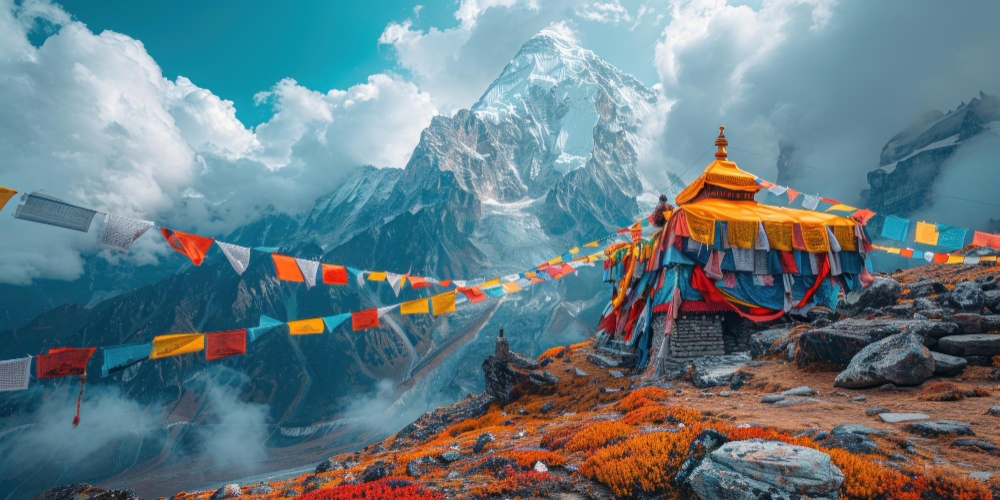
After the pass, many itineraries descend to Muktinath, an important pilgrimage site. Travelers may continue through Mustang, use road transport, or connect toward Tatopani and Ghorepani. Each choice affects duration, scenery, road exposure, and cost.
Cost factors
Costs depend on duration, transport, guide and porter services, permits, meals, room type, side trips, equipment, and contingency days. Compare included services rather than headline prices.
Who should choose the circuit?
It suits trekkers who enjoy environmental and cultural variety and can dedicate enough time to acclimatize. Shorter Annapurna routes may better serve beginners with limited time. Experienced walkers should still avoid rushing the high section.
Responsible trekking
Use refillable bottles, respect religious sites, stay on approved trails, support local lodges, and follow guide instructions around weather, animals, landslides, and snow.
Final recommendation
Choose the route variant only after examining daily altitude gain, road sections, side trips, and transport buffers. A well-paced circuit is more rewarding than a rushed checklist.
World Himalaya can compare its Annapurna itineraries and explain the sections, transport, accommodation, and seasonal considerations in each plan.