Everest Base Camp Trek Guide: Route, Difficulty, Cost and Preparation
The Everest Base Camp trek is one of the world’s best-known mountain journeys. It leads through the Khumbu region toward the foot of Mount Everest, combining high-altitude scenery with Sherpa villages, monasteries, suspension bridges, and teahouse hospitality. Success depends less on speed than on acclimatization, preparation, flexibility, and choosing an itinerary that matches your experience.
How long does the trek take?
Itineraries vary according to starting point, acclimatization schedule, side trips, and transport. Many trips include time in Kathmandu, flights or road connections, trekking days, rest days, and contingency time. Do not compare packages only by headline duration. Examine how quickly the route gains sleeping altitude and whether weather-delay days are included.
Typical route
A common itinerary begins with travel to Lukla and continues through settlements such as Phakding and Namche Bazaar. Trekkers then move through the upper Khumbu, often passing Tengboche, Dingboche, Lobuche, and Gorak Shep before visiting Everest Base Camp. Kala Patthar is frequently included for expansive mountain views. The descent generally follows the main valley back toward Lukla.
Flight considerations
Flights serving the Everest region are weather-dependent and schedules can change. Seasonal operations may use different departure airports, and delays can affect international connections. Build buffer days into the itinerary and avoid placing a nonrefundable onward flight immediately after the planned return.
How difficult is Everest Base Camp?
The trek does not normally require technical climbing, but it is physically demanding. Challenges include repeated uphill and downhill walking, cold, basic accommodation, long days, and reduced oxygen at altitude. The cumulative effect matters more than any single section. People with strong general fitness can still experience altitude illness.
Altitude and acclimatization
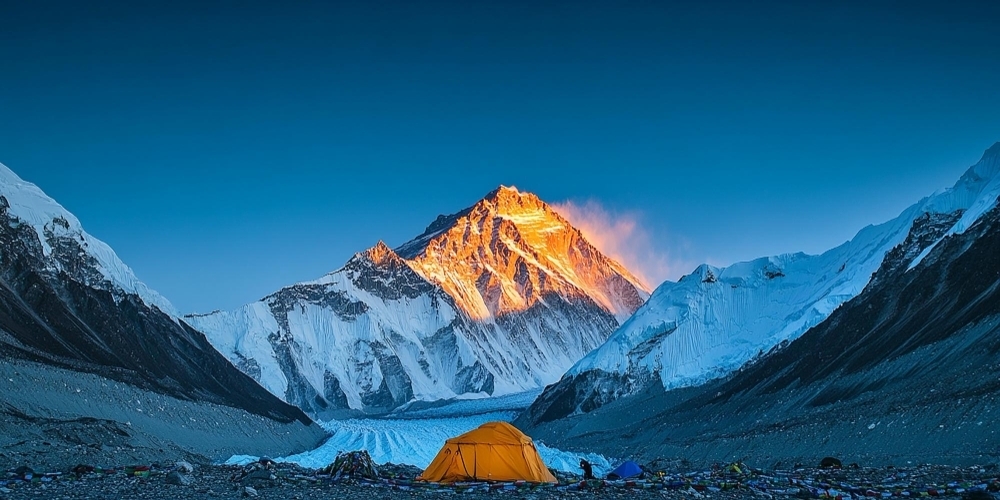
Everest Base Camp sits at very high elevation, and several nights are spent where oxygen availability is substantially lower than at sea level. A responsible itinerary includes gradual ascent and acclimatization stops. Walk slowly, drink regularly, eat enough, and report symptoms promptly. Never continue upward when symptoms are worsening.
Best time to go
Spring and autumn are the most popular seasons. Spring can offer warmer conditions and an energetic climbing-season atmosphere. Autumn often provides crisp visibility and stable trekking weather. Winter is colder and quieter, while summer brings monsoon challenges and greater transport uncertainty. Conditions change year to year, so confirm forecasts and trail reports close to departure.
Accommodation and food
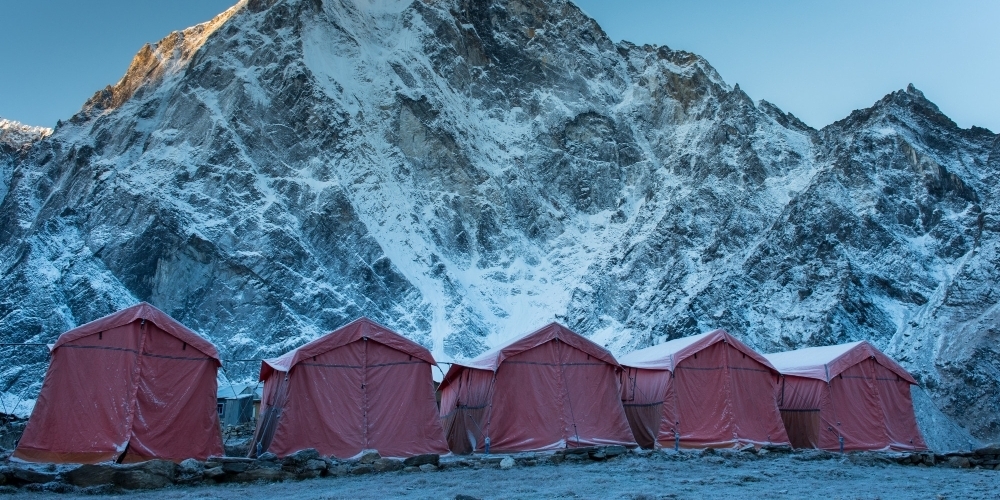
Teahouses provide private or shared rooms, simple beds, meals, and communal dining spaces. Facilities become more basic and more expensive as supplies travel farther from road access. Menus often include dal bhat, noodles, soups, potatoes, rice, pasta, eggs, and hot drinks. Appetite may fall at altitude, but regular nutrition is important.
Internet, electricity, and showers
Charging, Wi-Fi, mobile coverage, hot showers, and heated dining rooms may be available for an extra cost at some stops, but service can be unreliable. Carry a power bank, keep batteries warm, and download essential information before the trek. Treat connectivity as a convenience rather than a guarantee.
What does the trek cost?
Total cost depends on itinerary length, group size, guide and porter services, accommodation standard, domestic transport, permits, meals, insurance, equipment rental, tips, and contingency arrangements. A low package price may exclude essential items. Ask for a written list of inclusions and exclusions and compare like with like.
Permits and documents
Required permits and entry arrangements can change. A trekking company can explain the current documents for the route and obtain those included in your package. Carry your passport, permit copies, insurance details, and emergency contacts securely. Confirm current requirements before travel rather than relying on an old checklist.
Guide and porter support
A local guide manages navigation, lodging coordination, communication, cultural context, and safety decisions. Porters reduce the load you carry but must be treated fairly, equipped appropriately, and kept within agreed weight limits. Ask operators about staff insurance, equipment, experience, and emergency procedures.
Training plan
Prepare with regular walking, stair climbing, leg strength work, cardiovascular exercise, and consecutive hiking days. Train with the footwear and daypack you will use. Increase volume gradually and include recovery. Fitness makes the trek more enjoyable, but acclimatization still requires time.
Essential packing
Carry broken-in footwear, layered clothing, waterproof protection, a warm insulated jacket, a suitable sleeping bag, sun protection, gloves, a warm hat, water treatment, a headlamp, personal medication, blister supplies, and trekking poles. Keep documents, electronics, medicine, water, snacks, and weather layers in your daypack.
Travel insurance
Choose insurance that explicitly covers trekking at the maximum altitude of your itinerary and includes emergency evacuation where applicable. Read exclusions and authorization procedures. Evacuation depends on weather and availability, so good acclimatization and early decisions remain the first line of safety.
Responsible trekking
Use refillable water bottles, treat water safely, minimize plastic waste, respect local customs, ask before photographing people, and follow lodge and monastery etiquette. Stay on established trails and listen to local instructions around animals, bridges, weather, and landslide areas.
Is Everest Base Camp right for beginners?
A first-time high-altitude trekker can complete the route with appropriate health, training, time, support, and expectations. It is not a good choice for someone seeking a relaxed holiday or a rushed schedule. Shorter Everest panorama trips can provide Khumbu scenery and culture without going all the way to base camp.
Final advice
Choose the itinerary before choosing the price. Prioritize acclimatization, experienced local support, transparent inclusions, and contingency time. Prepare consistently, pack carefully, and stay flexible. The mountain will still be there if weather or health requires a change.
World Himalaya offers Everest-region itineraries and can help compare durations, sleeping elevations, services, and seasonal logistics. Confirm all current operational details before booking.