Best Beginner Treks in Nepal: Easy and Moderate Routes for First-Timers
A first trek in Nepal does not need to cross an extreme pass or last three weeks. The country offers lower-altitude village walks, short ridge treks, cultural routes, and moderate teahouse journeys. The best beginner trek is not simply the shortest; it matches your fitness, available days, season, comfort expectations, and experience with altitude.
What does beginner-friendly mean?
“Easy” is relative in the Himalayas. Stone stairs, uneven ground, heat, rain, cold nights, and consecutive walking days can challenge anyone. A beginner-friendly route generally has manageable daily hours, lower sleeping altitudes, flexible exit options, established lodges, and access that is simpler than a remote expedition.
Ghorepani and Poon Hill
This Annapurna-area trek is known for village scenery, rhododendron forests, and sunrise views. It is relatively short and uses teahouses, but it includes many stone steps. It suits active travelers who train for climbing and descending.
Ghandruk village routes
Ghandruk combines mountain views with Gurung culture and road access from Pokhara. It can be included in several short itineraries. Daily distances are flexible, making it useful for travelers who want culture and scenery without very high altitude.
Panchase
Panchase is a quieter lower-altitude trek near Pokhara with forest, farmland, and Himalayan panoramas. It can work for families or first-time trekkers, although trails may be steep or slippery depending on weather.
Lower Annapurna
Routes through the Annapurna foothills offer village stays, terraces, forests, and views without committing to a high base camp. Because many paths and roads connect the region, itinerary design matters.
Chisapani, Nagarkot, and Dhulikhel
Treks on the edge of Kathmandu Valley are accessible and culturally varied. They combine forest, ridges, villages, and heritage areas. Haze can affect distant mountain views, but the routes remain rewarding for landscape and local life.
Short Helambu
Helambu provides a Himalayan introduction close to Kathmandu with Tamang and Hyolmo cultural experiences. It is usually considered moderate rather than effortless because of daily climbs and descents.
Everest Panorama
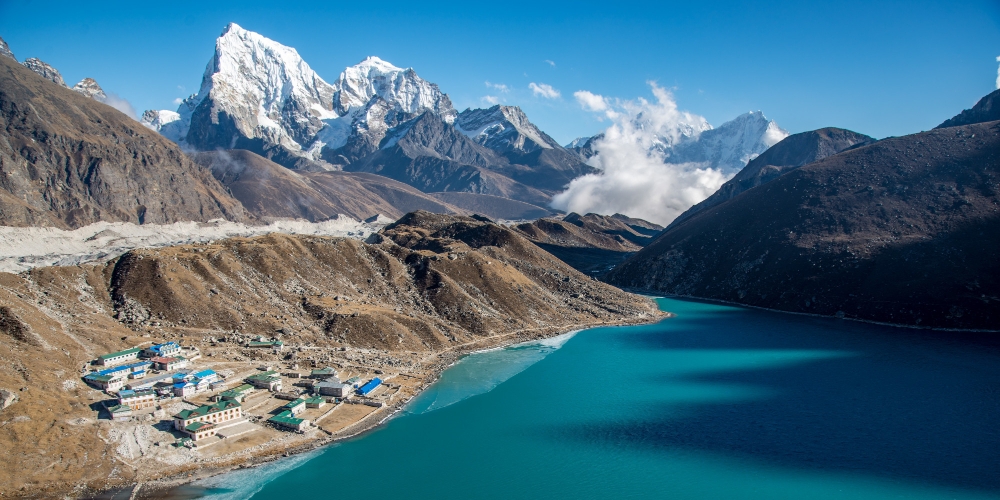
Travelers who dream of the Khumbu but do not want to reach Everest Base Camp can trek toward Namche Bazaar and nearby viewpoints. This still involves mountain flights and meaningful altitude, so acclimatization and flexibility are necessary.
Langtang Valley
Langtang can suit fit beginners with enough time and a gradual itinerary. The upper valley reaches significant altitude, so it is a step beyond a simple lowland trek.
How many days should a beginner choose?
Allow time for arrival, road or flight delays, trekking, rest, and recovery. A rushed five-day schedule can be harder than a relaxed seven-day route. Never remove acclimatization merely to fit a flight.
Training
Walk regularly, use stairs and hills, strengthen legs and core, and complete several back-to-back hiking days. Train in your boots with a daypack. Consistency matters more than extreme workouts.
Packing
Bring layered clothing, waterproof protection, sun protection, a warm jacket, suitable footwear, trekking poles, headlamp, water treatment, first aid, and personal medicine. Lower routes can still become cold and wet.
Altitude
Even moderate itineraries may reach elevations where symptoms occur. Report headache, nausea, dizziness, or unusual fatigue. Fitness does not prevent altitude illness.
Guided or independent?
Current rules differ by region and may change. A guide helps with navigation, lodging, culture, transport, and emergency decisions. Confirm legal requirements for the exact route.
Final recommendation
Choose a first trek that leaves energy for curiosity. The goal is to enjoy villages, landscapes, and daily rhythm rather than prove toughness. World Himalaya can compare short and moderate itineraries and tailor walking hours, services, and rest days.