Teahouse Trekking in Nepal: Rooms, Food, Showers, Wi-Fi and Etiquette
Teahouses make Nepal’s classic trekking routes accessible without camping equipment. These family-run lodges provide rooms, meals, and a communal place to rest. Standards range from comfortable guesthouses in busy villages to very basic rooms at high altitude. Knowing what is and is not included prevents frustration.
Rooms
A typical room has two simple beds, mattresses, pillows, and blankets. Walls may be thin and heating is uncommon in bedrooms. Bathrooms can be private at lower elevations but are often shared higher up. Carry a sleeping bag for warmth and hygiene.
Dining rooms
The dining room is the social center. Some lodges heat it in the evening using a stove, but fuel is limited and heating is never guaranteed. Remove wet outer layers, keep gear organized, and respect quiet hours.
Food
Menus often include dal bhat, noodles, soups, fried rice, potatoes, pasta, eggs, porridge, pancakes, momos, and hot drinks. Variety decreases and prices rise as supplies travel farther. Dal bhat is popular because it is filling and locally familiar.
Safe eating
Choose freshly cooked food, wash or sanitize hands, and be cautious with items that require unreliable refrigeration. Appetite can fall at altitude, but regular calories and carbohydrates support trekking.
Water
Do not assume tap water is safe. Use a suitable filter, purification tablets, boiled water, or another recommended method. Refillable bottles reduce plastic waste. Ask before filling from a source.
Showers
Hot showers may use gas, solar heating, or buckets and usually cost extra. Availability depends on weather and location. Quick-dry towels and biodegradable soap are useful. In severe cold, a simple wash may be more practical.
Toilets
Facilities range from Western-style toilets to squat toilets. Carry toilet paper, hand sanitizer, and a small waste bag. Never flush paper unless the lodge says the system allows it.
Charging
Charging is often available for a fee per device or hour. Power may come from solar panels or small hydro systems and can be inconsistent. Carry a power bank and keep batteries warm.
Wi-Fi and mobile service
Some routes sell Wi-Fi access, while mobile data works in selected locations. Weather and electricity affect reliability. Download documents, maps, entertainment, and contact details before trekking.
Costs and payment
Rooms may seem inexpensive, but lodges earn important income from meals. Many expect guests to eat where they sleep. Carry Nepalese cash because cards and ATMs are scarce. Prices increase with altitude.
Booking
Guides often coordinate rooms in advance during busy periods. Reservations may be informal, and weather can change arrivals. Larger groups have less flexibility. Peak season travelers should start early.
Etiquette
Greet hosts, order meals with enough notice, keep noise low, avoid spreading gear across shared spaces, and ask before charging or using private areas. Do not bargain aggressively over small lodge prices.
Porters and guides
Treat staff as members of the team. Ensure they have appropriate meals, accommodation, insurance, equipment, and weight limits. A reputable company includes staff welfare in planning.
Packing for teahouses
Bring a sleeping bag, liner, headlamp, earplugs, lodge shoes, power bank, water treatment, toilet paper, sanitizer, small towel, and warm evening layers. A few clothespins or cord help dry items.
High-altitude realities
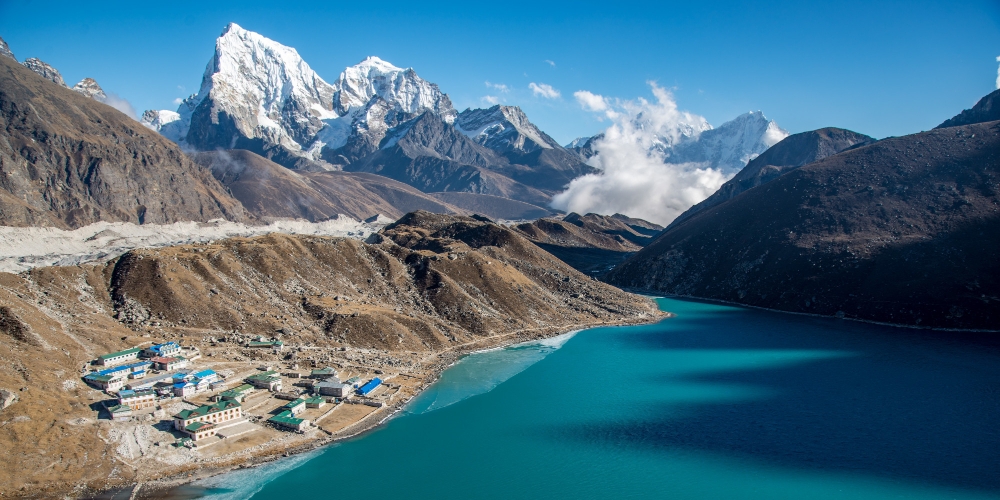
Above the tree line, fuel, water, food, and construction materials are difficult to transport. Comfort becomes simpler and costs rise. Patience is part of responsible travel.
World Himalaya can explain accommodation standards and meal inclusions for each itinerary. Ask for current details rather than assuming all routes offer the same facilities.