Upper Mustang Trek Guide: Permits, Culture, Weather and Route Planning
Upper Mustang is a high, arid region of cliffs, caves, monasteries, walled settlements, and landscapes shaped by Tibetan culture. Its position north of the main Himalayan range creates a rain-shadow climate, making it different from Nepal’s greener trekking regions. Access is regulated, and respectful planning is essential.
What makes Upper Mustang distinctive?
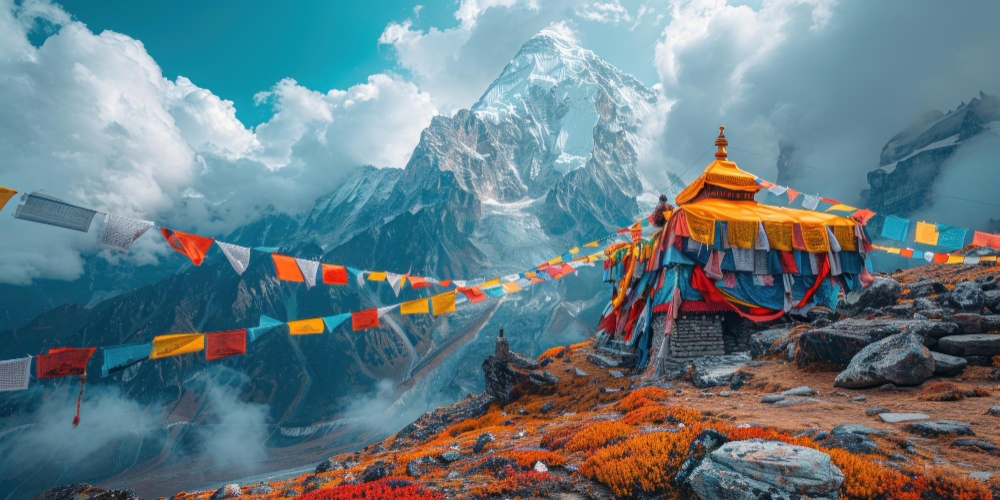
The region’s desert-like valleys, eroded rock formations, whitewashed villages, chortens, mani walls, and monasteries create a landscape unlike Everest or Annapurna. Lo Manthang is a cultural focal point, but the journey through smaller settlements is equally important.
Restricted-area permits
Upper Mustang is a restricted trekking area. Special permits, an authorized agency, licensed guide arrangements, and other conditions generally apply. Fees can be significant and regulations may change. Confirm current group, route, document, and duration rules before booking.
How to reach Mustang
Many itineraries travel through Pokhara and continue toward Jomsom by flight or road. Mountain flights are weather-dependent, while roads can be rough, dusty, muddy, or delayed. Some trips combine trekking with four-wheel-drive travel. Build buffer days for connections.
Route styles
Travelers can choose traditional trekking itineraries, jeep-supported journeys, or combinations. Walking offers slower cultural immersion; vehicle travel reduces trekking time but does not remove altitude, road discomfort, or weather risk. Ask exactly how many hours are spent walking and driving each day.
Best time
Spring and autumn are popular. Because Upper Mustang lies in a rain shadow, parts of the summer monsoon can also be suitable. However, access roads and flights pass through wetter areas and remain vulnerable to disruption. Winter is cold, windy, and quiet, with some lodges and services closed.
Wind and daily schedule
Afternoon winds are common in the Kali Gandaki and Mustang valleys. Early starts can provide calmer travel and better visibility. Dust protection, sunglasses, lip balm, and secure hats are useful.
Altitude and difficulty
The trek involves repeated climbs, dry air, sun exposure, and sleeping at elevation. It may not reach the extreme heights of some passes, but altitude illness is still possible. Gradual pacing, hydration, nutrition, and honest symptom reporting remain essential.
Accommodation
Lodges and guesthouses range from simple to comfortable by regional standards. Electricity, showers, heating, and internet vary. Carry cash, a warm sleeping bag, charging backup, and water treatment.
Culture and etiquette
Upper Mustang’s monasteries, festivals, homes, and sacred landscapes are living cultural spaces. Ask before photographing people, ceremonies, interiors, or religious objects. Dress respectfully, follow clockwise customs where indicated, and accept that some locations may restrict entry.
Packing
Bring layered clothing for strong temperature changes, a windproof and waterproof shell, warm insulation, gloves, hats, sunglasses, high-SPF sunscreen, lip protection, a headlamp, trekking poles, first aid, and sturdy footwear. Protect electronics from dust.
Costs
Restricted permits, guide services, transport, accommodation, meals, and remote logistics make Upper Mustang more expensive than many open trekking areas. Compare detailed inclusions and understand how permit days are counted.
Festivals
Cultural festivals can be a highlight, but dates, access, and visitor behavior require care. Accommodation becomes limited during major events. Do not design a trip around an unverified calendar or assume every ceremony welcomes photography.
Responsible travel
Water is scarce, waste systems are limited, and heritage structures are vulnerable. Refill rather than buying disposable bottles when safe, conserve water, avoid removing stones or artifacts, and use locally owned services.
Who should choose Upper Mustang?
It suits travelers drawn to culture, geology, remote landscapes, and regulated travel more than high summits. Those sensitive to dust, road travel, wind, or basic facilities should discuss expectations carefully.
Final advice
Select a route that gives villages and monasteries enough time. Verify permit fees, access, transport, guide credentials, and seasonal lodge availability in writing.
World Himalaya can explain current trekking and jeep-based Mustang options and arrange required logistics through authorized channels.