Manaslu Circuit Trek Guide: Route, Difficulty, Permits and Best Season
The Manaslu Circuit circles the world’s eighth-highest mountain through a landscape of river gorges, forests, traditional villages, Tibetan-influenced culture, and a major Himalayan pass. It attracts trekkers who want a quieter alternative to Nepal’s busiest routes, but its remoteness, altitude, regulations, and long days require careful preparation.
Route overview
Most itineraries approach through the lower Budhi Gandaki valley and climb gradually toward higher settlements before crossing Larkya La. The route then descends toward the Marsyangdi valley, where transport connections lead back toward Kathmandu. Trailheads and road conditions change, so daily stages vary between operators.
How difficult is it?
Manaslu is a challenging trek. Difficulty comes from duration, cumulative ascent, uneven trails, cold, basic lodges, remoteness, and the high pass. Larkya La day can be long and may begin before sunrise. Snow, wind, or ice can increase the challenge. Technical climbing is not normally required on the standard trail, but strong fitness and mountain judgment are important.
Altitude and acclimatization
A safe itinerary climbs gradually and includes acclimatization. Trekkers should understand headache, nausea, dizziness, unusual fatigue, and emergency warning signs. Never ascend to sleep higher when symptoms are worsening. The crossing must remain flexible because health and conditions take priority over a fixed schedule.
Permits and guide rules
The route passes through conservation areas and a restricted region. Multiple permits may be required, and restricted-area travel generally involves a licensed guide and authorized trekking agency. Regulations, fees, group requirements, and checkpoints can change. Confirm the exact paperwork for your nationality and itinerary.
Best season
Autumn is popular for stable conditions and clear views. Spring offers warmer temperatures and flowering forests at lower elevations. Winter can bring severe cold and snow around the pass. Summer monsoon makes lower sections wet and increases the possibility of road and trail disruption. No season guarantees a pass crossing.
Accommodation and food
Teahouses provide simple rooms and meals, but facilities are more basic than on some established corridors. Menus commonly include dal bhat, noodles, soups, potatoes, rice, eggs, and hot drinks. Carry a suitable sleeping bag, water treatment, cash, and realistic expectations about showers, charging, and connectivity.
Training
Build endurance through long walks, hills, stairs, and consecutive hiking days. Strengthen legs and core, train with a daypack, and test footwear. Fitness cannot prevent altitude illness, so do not use a strong training record as a reason to rush.
Packing priorities
Bring layered clothing, a warm insulated jacket, waterproof shells, gloves, sun protection, trekking poles, a headlamp, water treatment, first-aid items, personal medication, and a cold-rated sleeping bag. Conditions at the pass can be very different from the lower valley.
Culture and etiquette
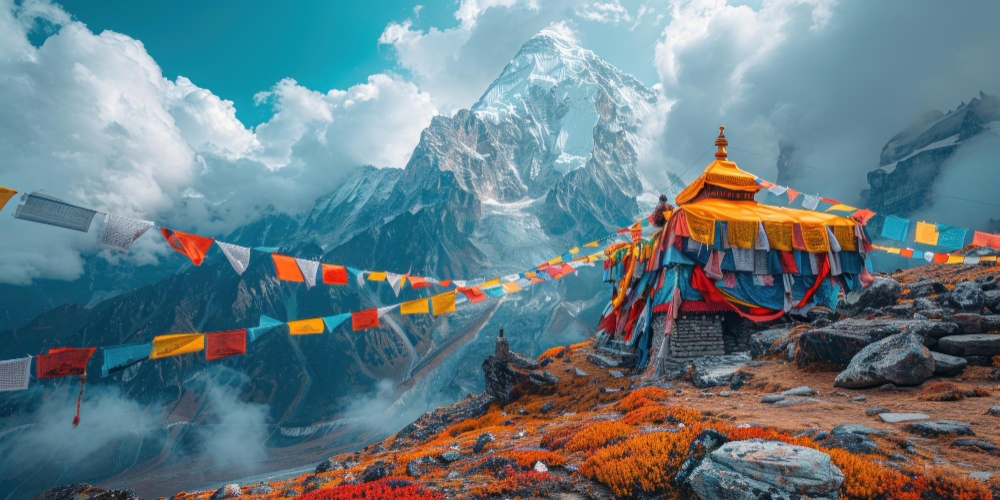
The upper valley contains monasteries, mani walls, prayer wheels, and villages with strong Tibetan cultural influence. Walk clockwise around religious structures where requested, ask before photographing people, dress respectfully, and follow local guidance.
Transport and contingencies
Road travel to and from the trail is long and can be affected by weather or construction. Include buffer days. Insurance should cover the route’s maximum altitude, trekking activity, medical care, and evacuation arrangements.
Who should choose Manaslu?
It suits experienced hikers and well-prepared first-time Himalayan trekkers who have enough time, accept simpler facilities, and value cultural depth and quieter trails. Travelers who need luxury accommodation, guaranteed schedules, or a short holiday may prefer another route.
Final advice
Select an itinerary based on acclimatization and daily demands rather than the lowest price. Verify staff welfare, permits, insurance, emergency equipment, transport, and inclusions. The pass is only one part of the journey; villages and valleys make the circuit memorable.
World Himalaya can explain current Manaslu itineraries and arrange regulated logistics. Confirm permit rules, road access, lodge availability, and pass conditions close to departure.