Top 10 Trekking in Nepal
Top 10 Treks in Nepal: How to Choose the Right Himalayan Route
Nepal offers hundreds of trekking possibilities, from short village walks to remote high-pass expeditions. The best trek is not necessarily the highest or most famous. It is the route that fits your available time, fitness, altitude experience, preferred scenery, comfort expectations, and travel season.
1. Everest Base Camp Trek
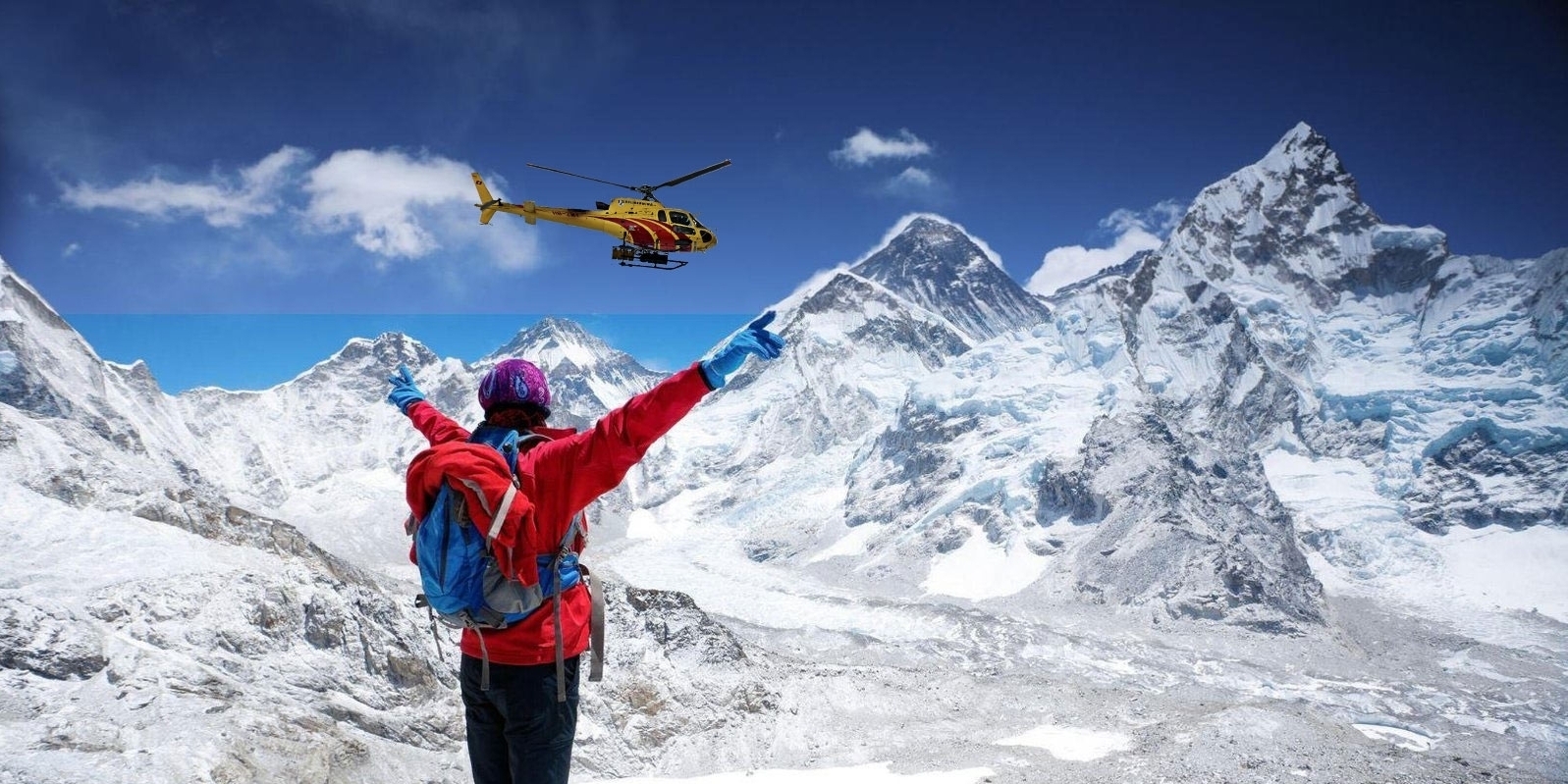
Everest Base Camp is ideal for travelers who want the complete Khumbu experience: Sherpa villages, monasteries, suspension bridges, glacial landscapes, and views of Everest, Lhotse, Nuptse, and Ama Dablam. The route is nontechnical but physically demanding because of altitude and duration. A gradual itinerary with acclimatization and weather-buffer days is essential.
2. Annapurna Circuit Trek
The Annapurna Circuit is famous for extraordinary landscape variety. It moves from lower valleys and forests into dry high-altitude terrain before crossing Thorong La. Modern roads have changed parts of the classic route, so compare itinerary variants and natural-trail sections. The pass makes this a challenging trek requiring strong fitness and acclimatization.
3. Annapurna Base Camp Trek
Annapurna Base Camp combines rhododendron forest, Gurung villages, steep stone staircases, and the dramatic Annapurna Sanctuary. It generally requires fewer days and reaches a lower maximum elevation than Everest Base Camp, although it remains a serious mountain trek. It is a strong choice for travelers seeking varied scenery within a compact itinerary.
4. Manaslu Circuit Trek
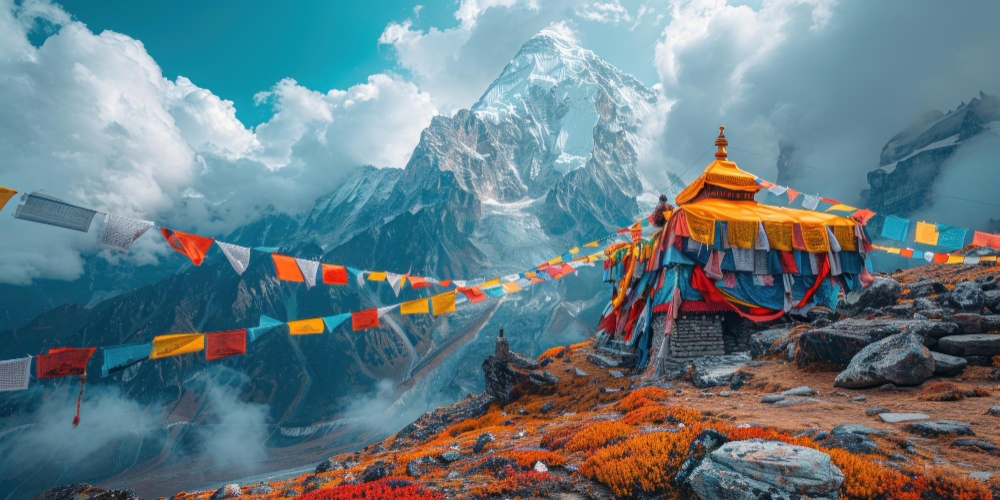
Manaslu offers remote valleys, Tibetan-influenced culture, simple teahouses, and the high crossing of Larkya La. It is quieter and more regulated than Nepal’s busiest trails. Restricted-area permits and licensed support generally apply. Long road transfers, basic facilities, and uncertain pass conditions make flexibility essential.
5. Langtang Valley Trek
Langtang is reached by road from Kathmandu and offers forests, Tamang culture, monasteries, highland settlements, and mountain views around Kyanjin Gompa. It can fit a shorter holiday but should not be rushed because upper-valley viewpoints reach significant altitude. Prepared beginners often find it a rewarding first Himalayan journey.
6. Upper Mustang Trek
Upper Mustang is a restricted, arid region of cliffs, caves, monasteries, chortens, and walled settlements. Its rain-shadow location can make it suitable during parts of the summer monsoon. Special permits, regulated travel, wind, dust, road access, and cultural sensitivity distinguish it from greener trekking regions.
7. Gokyo Lakes Trek
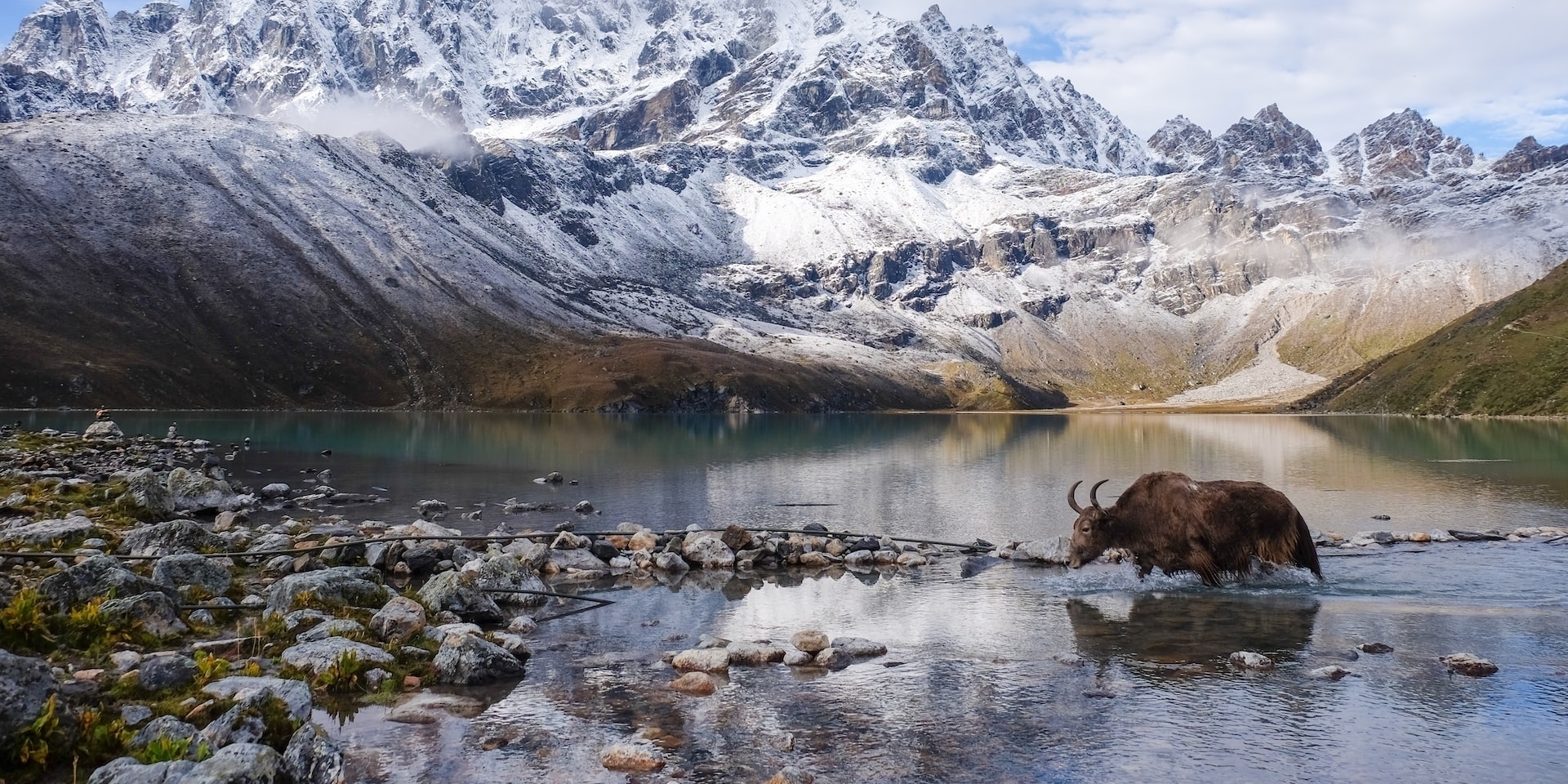
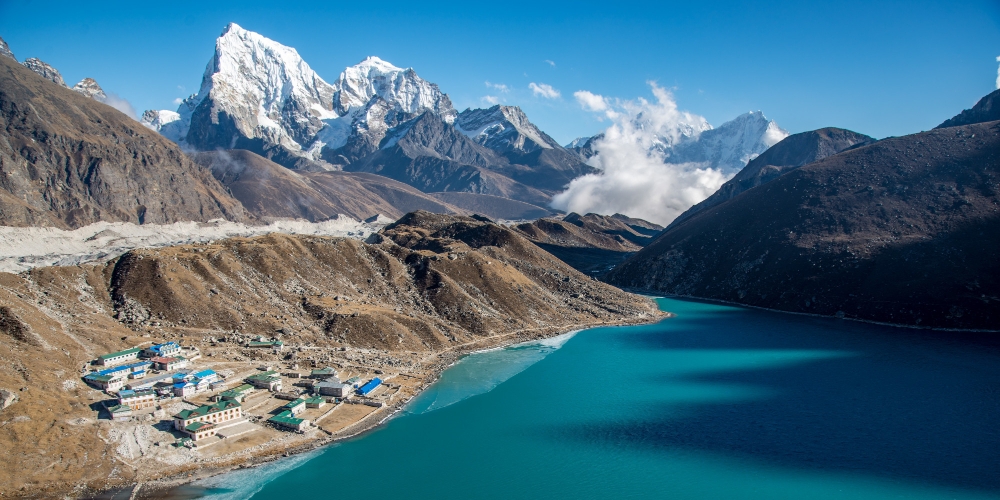
Gokyo Lakes provides a quieter Everest-region alternative focused on turquoise glacial lakes and the panorama from Gokyo Ri. The route shares the Khumbu approach before turning into the Gokyo valley. It reaches very high elevation and requires careful acclimatization. Some extended itineraries connect to Everest Base Camp through a high pass, increasing difficulty.
8. Ghorepani Poon Hill Trek
Ghorepani Poon Hill is a shorter Annapurna foothill trek known for village scenery, rhododendron forest, and sunrise views. It is commonly recommended to first-time trekkers, but thousands of stone steps create a meaningful physical challenge. The route works well for travelers with limited time who still want teahouse trekking and Himalayan panoramas.
9. Kanchenjunga Base Camp Trek
Kanchenjunga is a long, remote journey in eastern Nepal. It offers wild valleys, diverse communities, limited lodge infrastructure, and views of one of the world’s great mountain massifs. Restricted-area arrangements generally apply. The trek suits experienced travelers who accept basic facilities, complex access, and substantial contingency time.
10. Dhaulagiri Circuit Trek
The Dhaulagiri Circuit is an expedition-style route involving remote terrain, camping, glacier travel, severe cold, and high passes. It is far more demanding than an ordinary teahouse trek and is best for experienced high-altitude trekkers. Specialist logistics, equipment, acclimatization, and conservative weather decisions are essential.
How to choose among these treks
Begin with time. Include international arrival, domestic transport, trekking days, acclimatization, and contingencies. Next, compare maximum and sleeping elevations. A lower summit or base camp can still involve demanding daily climbs.
Consider access. Everest commonly depends on mountain flights, Langtang uses road travel, and remote eastern or western routes may combine flights and long drives. Think about accommodation: established corridors use teahouses, while expedition routes may require camping.
Match the route to the season. Spring and autumn suit the widest range of treks. Winter favors lower routes when snow conditions allow, and summer can work in rain-shadow regions such as Upper Mustang. Weather is never guaranteed.
Finally, compare permits, guide requirements, staff welfare, insurance, inclusions, and emergency planning. Do not choose solely by the lowest price or shortest itinerary.
World Himalaya can compare current route profiles and tailor a trek to your dates, experience, pace, and preferred level of support. Always confirm current permits, access, weather, and operating conditions before departure.