Langtang Valley Trek Guide: Difficulty, Itinerary, Culture and Best Time
Langtang Valley offers mountain scenery, forest trails, Tamang culture, monasteries, and highland settlements without requiring a flight to a mountain airstrip. Its road access from Kathmandu and flexible itinerary length make it attractive, but altitude, rough roads, weather, and recovery from past earthquakes deserve thoughtful planning.
Getting to the trail
Most journeys begin with a road trip north of Kathmandu. Travel can be slow because of traffic, road conditions, landslides, and seasonal weather. Private vehicles and public transport offer different comfort and flexibility. Build contingency time rather than planning an international departure immediately after the trek.
Typical route
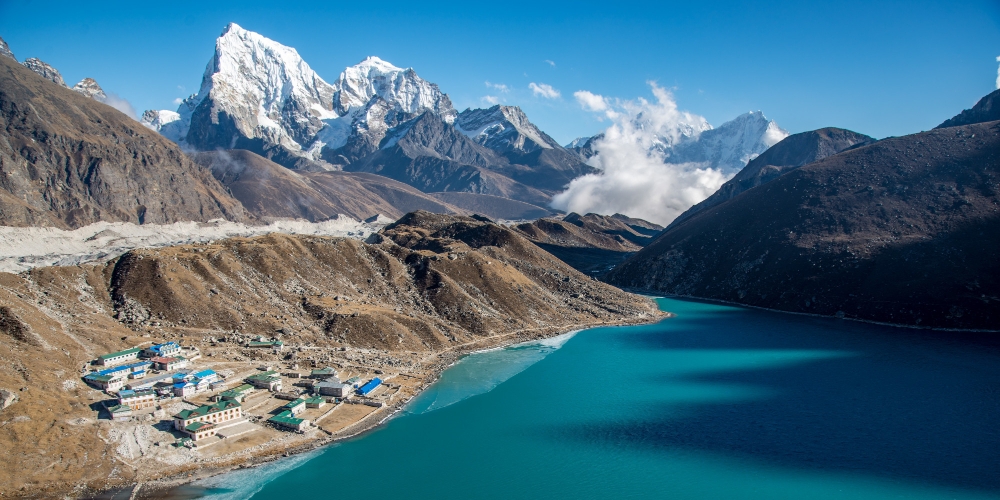
A common route climbs from the lower valley through forest and riverside settlements toward Langtang village and Kyanjin Gompa. Trekkers may spend extra time around Kyanjin for acclimatization and viewpoints before returning down the valley. Exact overnight stops should reflect fitness and altitude gain.
Difficulty
Langtang is often described as moderate, but labels can mislead. Daily climbs, stone paths, altitude, cold, and repeated walking still require preparation. Optional viewpoints can be steep and demanding. The trek is shorter than many circuits, which makes gradual pacing especially important.
Altitude
Kyanjin Gompa is at significant elevation, and nearby viewpoints rise higher. Headache, nausea, dizziness, loss of appetite, and unusual fatigue must be reported. Do not climb higher while symptoms worsen. A flexible day in the upper valley helps both acclimatization and exploration.
Best season
Spring and autumn are popular for stable walking conditions and mountain views. Spring brings rhododendrons and warmer days; autumn often provides crisp visibility. Winter is cold but can be quiet and clear when snow conditions allow. Monsoon brings lush forests along with rain, cloud, leeches, and road disruption.
Culture
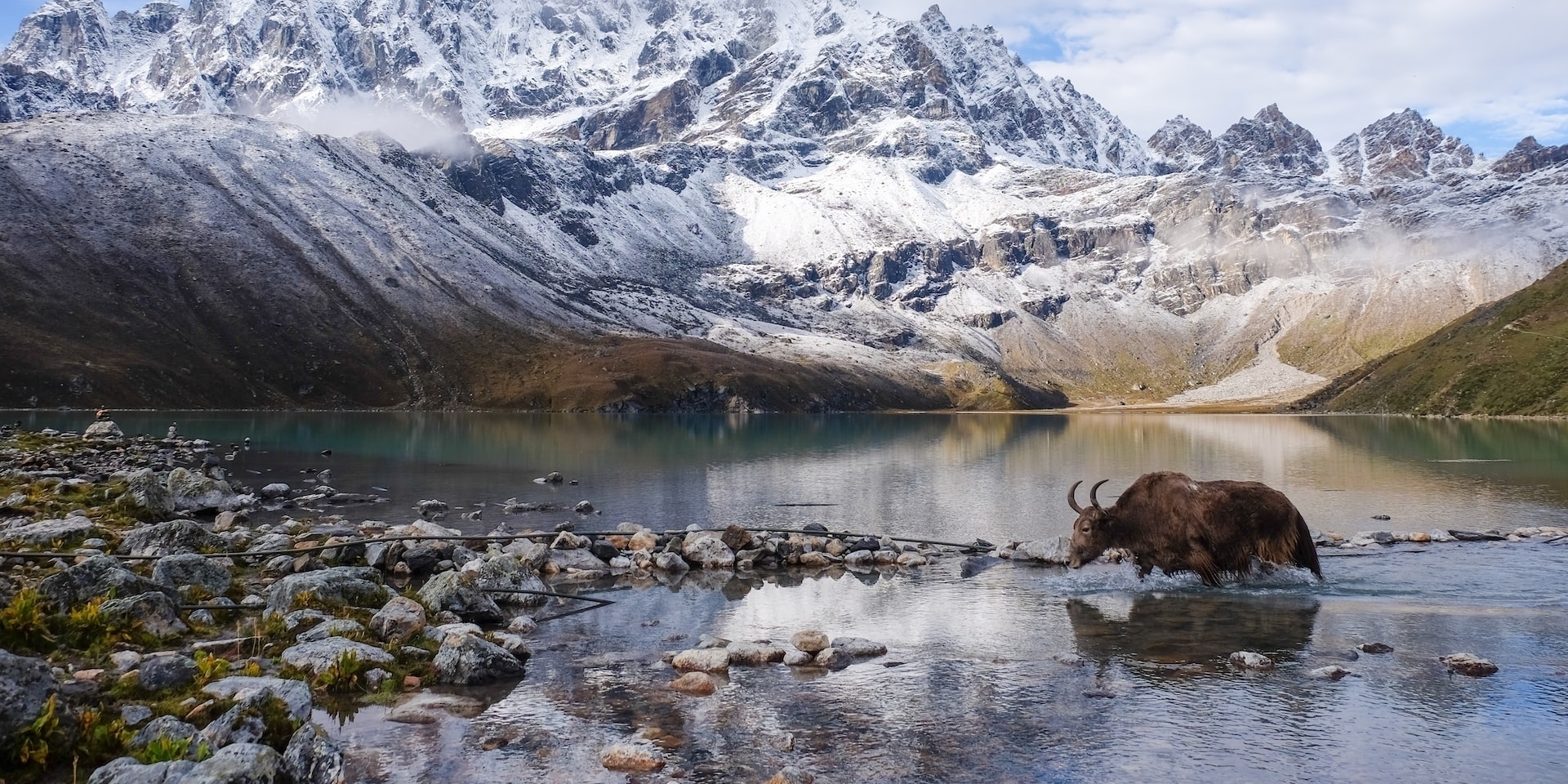
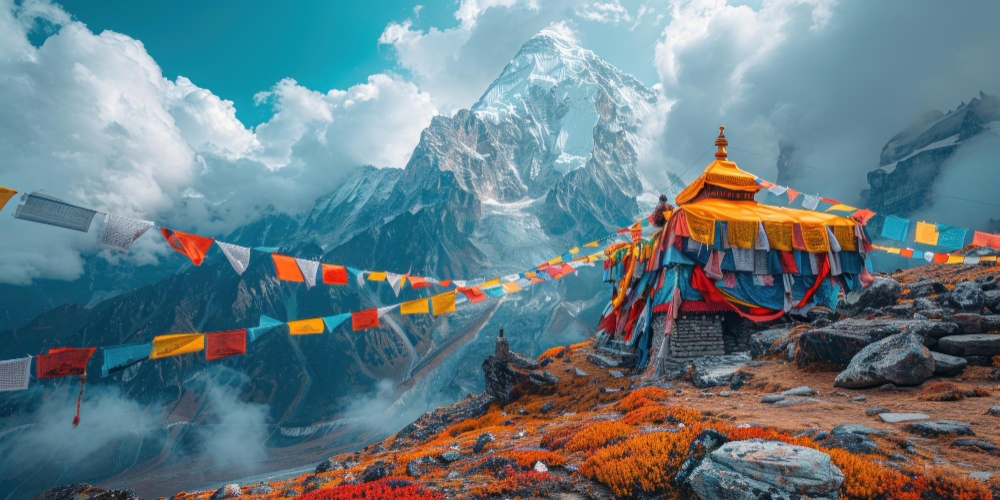
The valley is home to communities with deep Tamang and Tibetan cultural connections. Monasteries, chortens, mani walls, prayer flags, yak pastures, and traditional foods form an important part of the experience. Ask before taking photographs and treat religious spaces respectfully.
Accommodation and meals
Teahouses provide basic rooms and a range of simple meals. Facilities vary, particularly higher in the valley. Carry a warm sleeping bag, water treatment, cash, and a power bank. Expect additional charges for charging, showers, or connectivity where available.
Wildlife and environment
The route passes through Langtang National Park, which protects forests and wildlife. Travelers may see monkeys, deer, birds, and signs of more elusive animals. Wildlife sightings are never guaranteed. Stay on trails and never feed animals.
Training
Prepare with regular hikes, hills, stairs, leg strength exercises, and consecutive walking days. Test boots and trekking poles. Training improves comfort but does not prevent altitude sickness.
Packing
Use a layering system: breathable base layers, fleece, insulated jacket, and waterproof shell. Add trekking trousers, thermal layers, gloves, hats, sunglasses, sunscreen, headlamp, first aid, and personal medicine. Seasonal snow may require additional equipment based on current advice.
Permits and guides
National park entry and trekker registration rules may apply. Requirements change, so verify current regulations. A local guide adds cultural interpretation, navigation, lodge coordination, and safety support.
Side trips
Upper-valley excursions should be selected according to weather, snow, health, and daylight. Do not combine several high objectives merely to fill a checklist. A slower day enjoying Kyanjin can be more valuable than a rushed climb.
Responsible travel
The valley has rebuilt after major earthquake damage. Stay in locally owned lodges, minimize plastic, refill water safely, carry waste appropriately, and respect memorials and community spaces.
Who is it for?
Langtang suits travelers seeking a week-scale Himalayan trek with road access and strong cultural content. It can work for prepared beginners, but the upper valley remains a high-altitude environment.
World Himalaya can tailor Langtang itineraries around available time and explain current access, lodges, permits, and seasonal conditions.